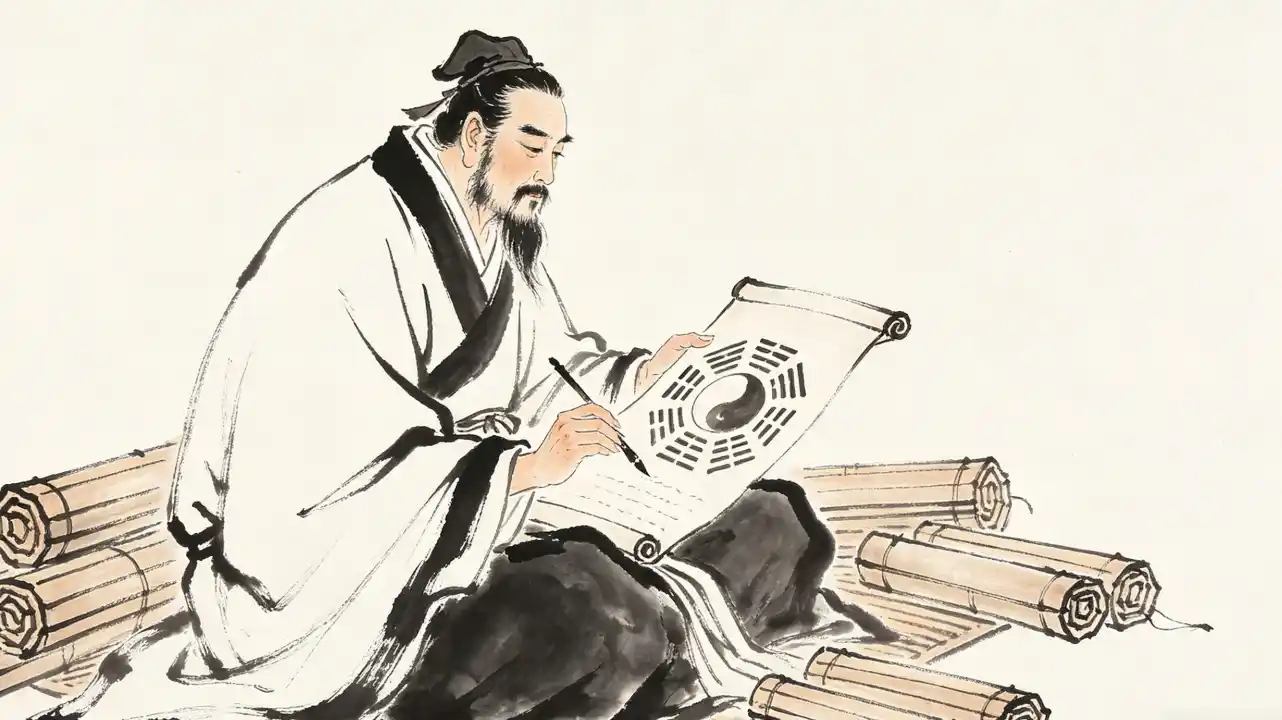
Confucius and I Ching: The Key Transformation from Divination to Philosophy
The encounter between Confucius and the I Ching was a milestone event in Chinese intellectual history. This relationship can be divided into three stages, completing a fundamental philosophical transformation. First Stage: Late-Life Intellectual Turn According to the Records of the Grand Historian, Confucius developed a strong interest in the I Ching in his later years, expressing “If I could have a few more years, studying the I Ching at fifty, I could avoid major mistakes.” During this period, he studied the I Ching so intensively that he “wore out the leather bindings three times.”
Read More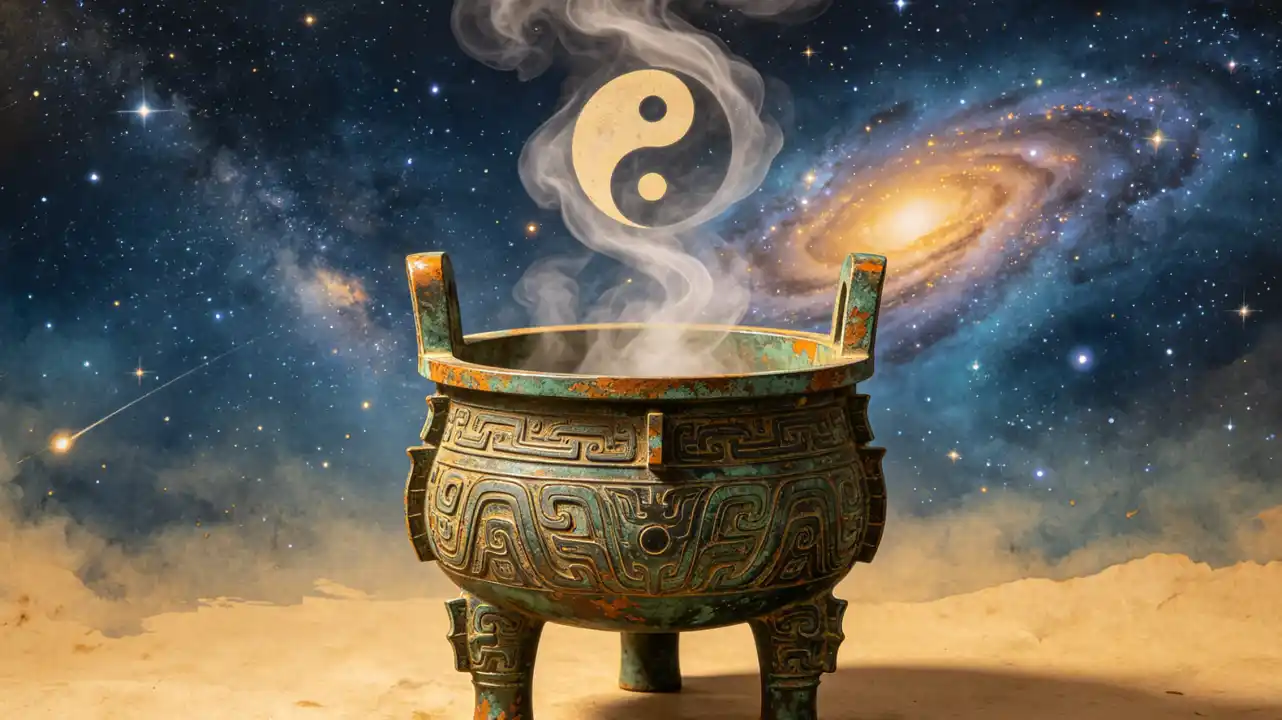
I Ching: An Ancient Classic of Change and Life Wisdom
The I Ching, known as the “First of All Classics,” is an ancient classic about change and life wisdom. It originated from early divination practices, gradually developed over a long historical process, and eventually evolved into a comprehensive work integrating philosophical reflection, cosmological ideas, and lived experience. Three Ways It Matters Today 1. Philosophical Foundation Its yin-yang dialectics and the idea of the unity of heaven and humanity invite us to see the world as dynamic and interconnected. When we face career choices, relationship tensions, or emotional ups and downs, thinking in terms of shifting balance rather than rigid “right or wrong” helps us understand situations more calmly and adjust our stance with more nuance. This philosophical framework does not offer fixed answers, but it trains us to ask better questions about timing, relationship, and balance.
Read More