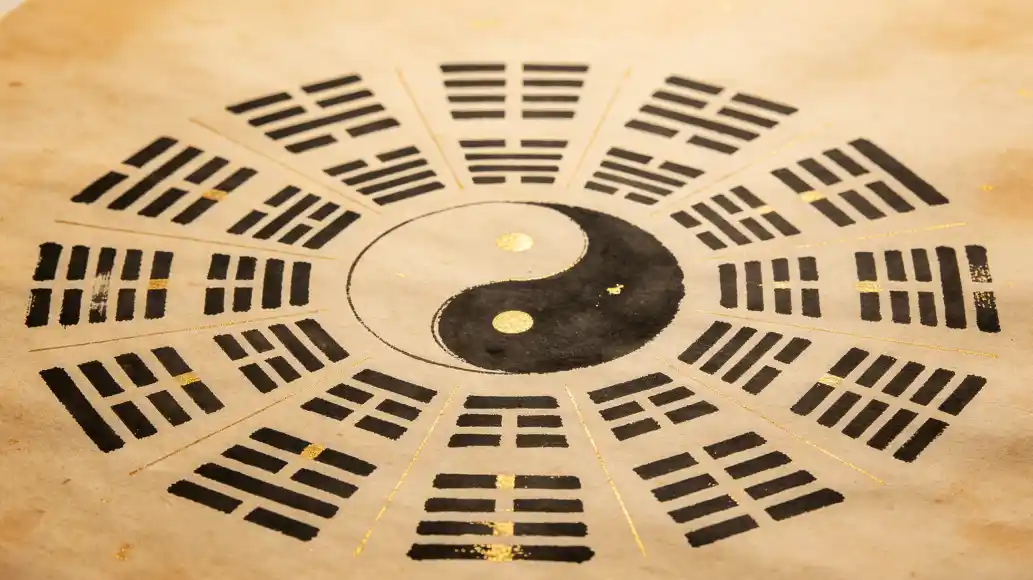
Hexagram 15 Qian (Modesty, ䷎): Earth over Mountain—The Only All-Auspicious Hexagram
In the sixty-four hexagrams, Qian (modesty, ䷎) is the fifteenth—the only hexagram whose six lines are all auspicious. The judgment: “Modesty—success. The junzi has an ending.” It states the worth of humility: hold the humble way, and the way can go through; the good person finishes well. The image is earth below, mountain above—“mountain inside earth”: strength inside, modest bearing outside. The core is “bei yi zi mu”—reining yourself in with humility, not flaunting talent or hogging credit, letting virtue feed the heart. This ties to Confucius’s reading of the Yi and to character as the root of conduct.
Read More
The Essence of Confucius's I Ching Philosophy: Virtue as Foundation and Unity of Heaven and Humanity
Confucius’s discourse on the I Ching, concentrated in the Yi Zhuan (Ten Wings), forms a distinctive philosophical system. Its core can be summarized in three progressive levels, moving from personal ethics to a complete vision of human existence within the cosmos. Foundation Level: Virtue as the Basis Confucius explicitly proposed replacing the primacy of divination with the primacy of virtue. He warned that “without constant virtue, one will bear shame” — meaning that those lacking enduring moral character find no real benefit even from auspicious hexagrams. For Confucius, a person of integrity who encounters a difficult situation will find more meaning in self-examination than in seeking a favorable prediction. He placed moral cultivation firmly above divination and fortune-seeking, shifting the entire purpose of consulting the I Ching from “what will happen to me?” toward “what kind of person am I becoming?”
Read More